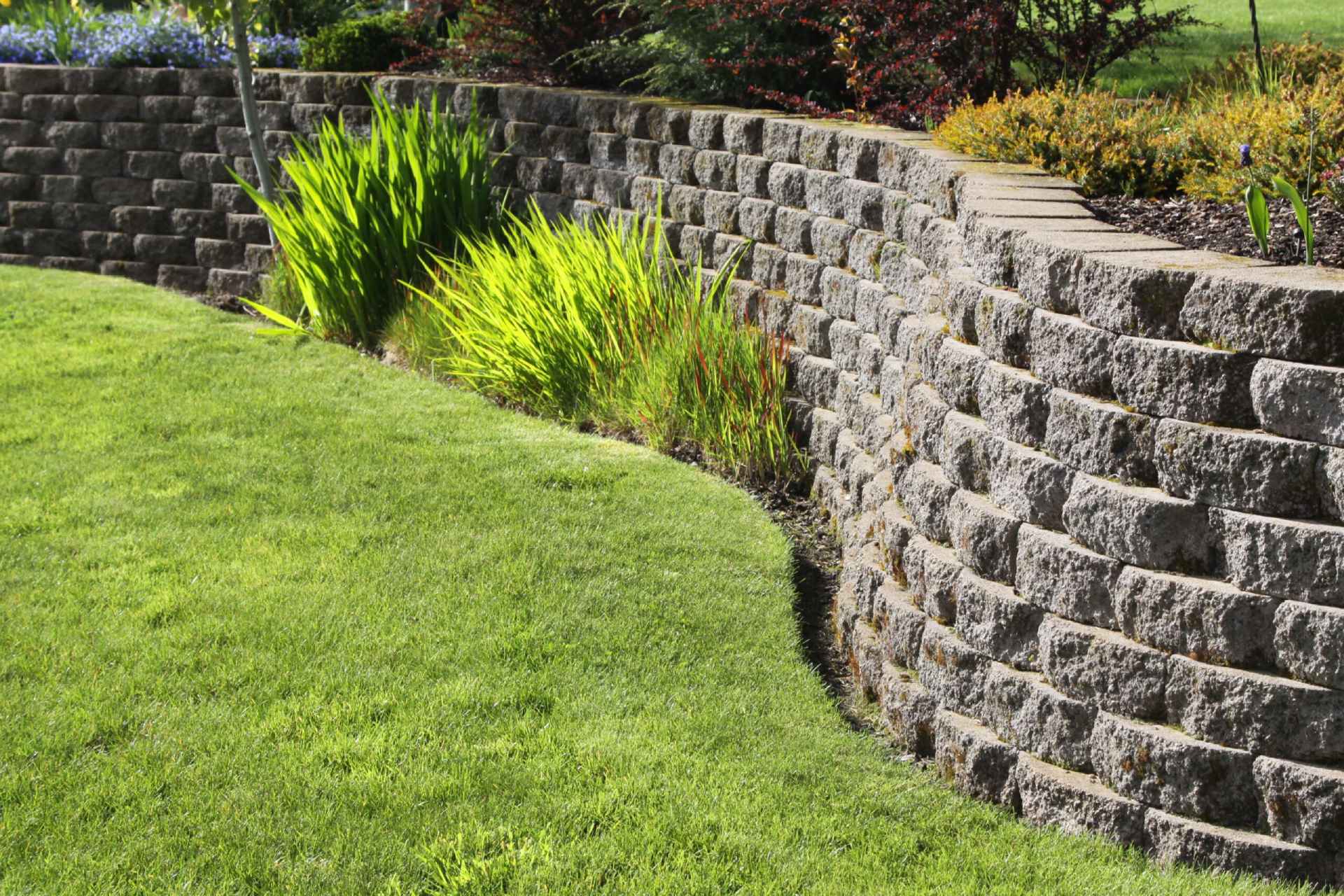
In addition to their practical function, retaining walls are often used to enhance the aesthetics of outdoor spaces. These walls come in various materials, such as concrete, stone, brick, or timber, allowing you to choose the one that best complements your landscape design. They can be textured, colored, and designed to harmonize with the overall look of your outdoor area, creating visually appealing focal points and terraced gardens. Retaining walls also provide the opportunity to optimize your outdoor space. By creating level areas on sloping terrain, you can expand your usable land and turn it into functional areas for gardens, seating, or entertainment. This not only adds practical value to your property but also enhances your overall quality of life by making your outdoor space more versatile and accessible.
Moreover, retaining walls are essential in preventing damage to structures and infrastructure. By effectively managing water runoff and soil stability, they safeguard your property from erosion-related issues and ensure the long-term integrity of your landscaping efforts. In summary, retaining walls are multi-purpose elements in landscaping and construction, offering practical soil retention, erosion control, and aesthetic enhancement. Whether you're addressing sloped terrain, creating terraced gardens, or protecting your property from erosion, retaining walls are a valuable addition to any outdoor space. Their functional and visual appeal make them a worthwhile investment in both form and function.